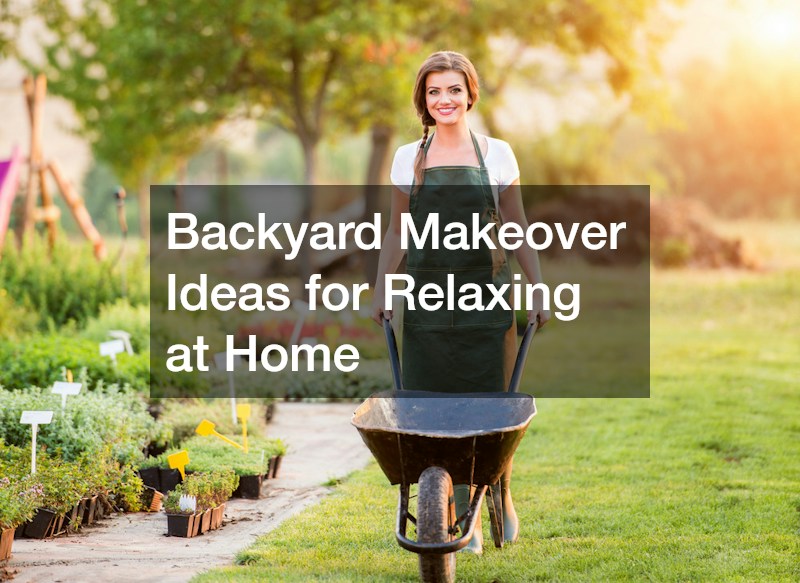
A backyard can be more than an open area behind the house. With thoughtful improvements, it can become a comfortable place to unwind, spend time with family, entertain friends, or enjoy a quiet evening outdoors. Creating that kind of environment does not necessarily require changing every part of the yard at once. Homeowners can approach an outdoor makeover as a series of projects that improve appearance, comfort, function, and usability over time.
Whether the goal is a peaceful garden setting or a more active entertainment area, a backyard makeover can offer many opportunities to make outdoor living more enjoyable. The following ideas can help homeowners consider which improvements may fit their property and lifestyle.
When Your Backyard Trees Need Professional Attention
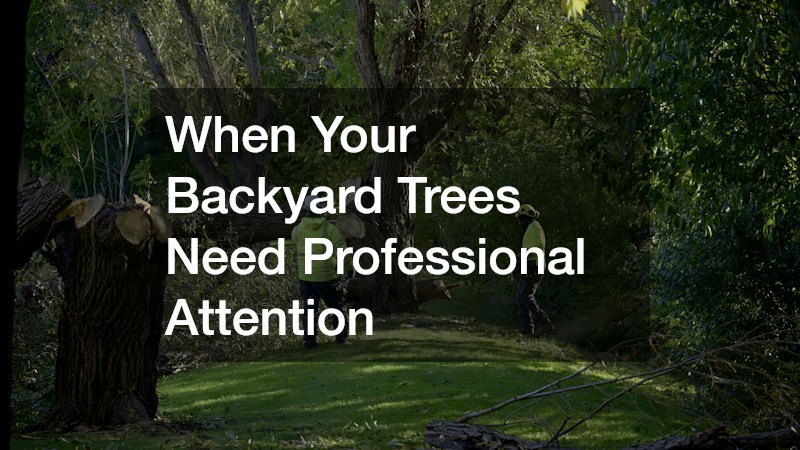
Trees can provide shade, privacy, visual interest, and habitat for wildlife, making them an important part of many backyards. However, trees also require attention as they grow. Dead branches, damaged limbs, excessive growth, and branches extending toward structures can create concerns that homeowners should not overlook.
After severe weather, trees may develop broken or weakened branches that are difficult to identify from the ground. A tree can also become crowded when multiple branches compete for space. Over time, this may affect the tree’s appearance and growth pattern.
Homeowners should also watch for signs of declining tree health, such as unusual leaf loss, dead sections, damaged bark, or fungal growth. These symptoms can have different causes, so determining the underlying issue may require a closer evaluation.
Professional tree services can address maintenance needs that may be difficult or unsafe for homeowners to handle themselves. Tree work often involves ladders, cutting equipment, and working around overhead branches. Larger trees can present additional challenges because of their height and proximity to homes, fences, utility lines, and other structures.
Removing dead or hazardous branches can also improve the appearance of the yard while helping homeowners address potential safety concerns. Before making major changes, it is useful to consider the long-term growth of the trees and how their placement affects other backyard features.
How Pruning Can Keep Backyard Trees Healthy
Pruning can influence both the appearance and structure of backyard trees. Removing selected branches can help reduce overcrowding, improve the shape of a tree, and remove damaged growth. However, pruning is not simply a matter of cutting branches wherever they appear inconvenient.
Cutting too much at once can stress a tree, while improper cuts can damage the surrounding tissue. Timing can also matter because different tree species have different growth patterns and pruning considerations.
A tree trimming service can evaluate the tree’s structure and identify branches that may need to be removed. Professionals can also consider the tree’s location in relation to buildings, walkways, fences, patios, and other backyard features.
Pruning can be particularly useful when branches extend over frequently used areas. Removing appropriately selected limbs can open up space while maintaining the overall structure of the tree. It may also allow more sunlight to reach parts of the yard, depending on the tree’s size and location.
Homeowners should avoid treating every branch as a problem. Trees naturally develop different shapes, and some growth is necessary for healthy development. A thoughtful approach focuses on the tree’s condition, structure, and surroundings rather than simply trying to make it smaller.
Choosing Help for Ongoing Tree Maintenance
Tree maintenance is often an ongoing responsibility rather than a one-time project. Trees continue to grow, and their needs can change as they mature. Establishing a maintenance approach can make it easier to monitor their condition and address concerns before they become more complicated.
A tree care company can evaluate trees periodically and help homeowners identify maintenance needs. Depending on the property, this may include pruning, removal of damaged branches, tree removal, or other services.
Regular observation is useful between professional visits as well. Homeowners can look for changes in bark, foliage, branch structure, and overall appearance. A tree that suddenly looks different from others of the same species may warrant closer attention.
Tree maintenance should also account for the rest of the backyard. As trees grow, their roots can affect nearby hardscaping, while branches can eventually extend over roofs, play areas, fences, or outdoor living spaces. Considering these relationships during backyard planning can help homeowners select appropriate locations for new features.
Maintaining trees as part of a larger landscape plan can also help preserve the character of the yard. Rather than removing healthy mature trees simply to create space for new additions, homeowners may be able to design around existing vegetation.
Ways to Create a Relaxing Evening Atmosphere
A backyard can feel very different after the sun goes down. Thoughtfully placed lighting can make patios, walkways, gardens, and gathering areas more comfortable to use in the evening. It can also highlight selected landscaping features without making the entire yard excessively bright.
Landscape lighting services can provide options for illuminating paths, trees, planting beds, seating areas, and architectural features. Path lights can help define walking routes, while accent lighting can draw attention to particular trees or garden features.
The placement of outdoor lights matters as much as the fixtures themselves. Lights positioned at different heights can create depth and prevent the yard from looking uniformly illuminated. Soft illumination around seating areas can also contribute to a more comfortable atmosphere.
Homeowners should consider how they expect to use the backyard at night. A dining area may benefit from practical lighting, while a garden or lounging area may need a subtler approach. Lighting can also be coordinated with existing features, such as a patio, pool, fence, or outdoor kitchen.
Energy use and maintenance are additional considerations. Efficient fixtures and appropriate controls can make outdoor lighting easier to manage. Timers, sensors, and other controls can help homeowners determine when lights operate without requiring constant manual adjustment.
Improving the Look and Health of Your Lawn
A healthy lawn can provide a foundation for a backyard makeover. Thick, well-maintained grass can make recreational areas more comfortable and help tie together trees, gardens, patios, and other landscape features. However, maintaining a lawn involves more than mowing it regularly.
Fertilization can provide nutrients that support grass growth, while weed control can address unwanted plants competing with the lawn. The appropriate approach can depend on grass type, soil conditions, weather patterns, and the existing condition of the yard.
Local lawn care fertilizer and weed control companies may offer services designed around regional growing conditions. Local knowledge can be useful because lawn needs vary by climate and season.
Homeowners should also pay attention to signs that the lawn may have underlying problems. Thin areas, bare patches, discoloration, and persistent weeds can have multiple causes. Soil compaction, drainage problems, insufficient sunlight, and improper watering can all affect grass health.
Improving the lawn may also involve changing how the space is used. Areas that receive heavy foot traffic may need different treatment from sections primarily used for visual appeal. Creating defined pathways or seating areas can reduce unnecessary traffic across the grass while making the backyard more functional.
Lighting Ideas for a More Inviting Backyard
Outdoor lighting can serve practical and decorative purposes. A well-planned system can make it easier to navigate the backyard at night while emphasizing landscaping and creating visual interest.
Lighting installation can be used for several parts of an outdoor space. Fixtures near steps and walkways can make changes in elevation easier to see. Lights around a patio can help define the space, while accent fixtures can highlight trees, garden beds, walls, or other features.
The direction of the light is another important consideration. Uplighting can emphasize the height and shape of trees, while downward lighting can create a softer effect over paths or seating areas. Homeowners may also use lighting to draw attention to focal points without illuminating every part of the yard.
Outdoor lighting should be selected for the conditions in which it will operate. Fixtures need to be appropriate for outdoor use and positioned where they are less likely to be damaged by lawn equipment, foot traffic, or water.
It can also be helpful to plan lighting alongside other backyard projects. Installing fixtures before completing certain landscaping or hardscaping work may make it easier to conceal wiring and position equipment appropriately. A coordinated plan can create a more consistent appearance throughout the property.
Choosing the Right Boundary for Your Outdoor Space
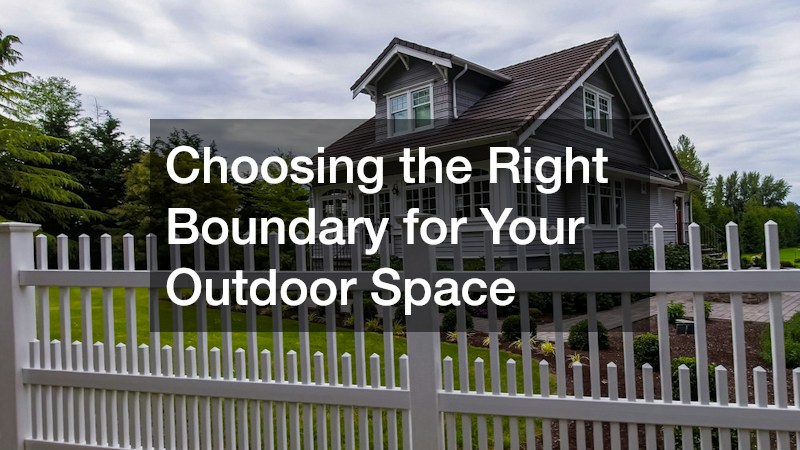
A fence can influence both the appearance and function of a backyard. Depending on its design and placement, it can provide privacy, define property areas, contain pets, or create separation between different outdoor activities.
Before installing a fence, homeowners should consider the purpose it needs to serve. A tall privacy fence may work well for creating a secluded seating area, while a more open design may preserve views and allow greater airflow.
Materials can also affect the character of the backyard. Wood, vinyl, metal, and other materials have different appearances and maintenance requirements. Homeowners should consider how the fence will coordinate with the home’s exterior, landscaping, patio, and other features.
A fence company can help homeowners evaluate options based on the property’s layout and intended use. Local property requirements, property lines, terrain, and existing landscaping may also affect where and how a fence can be installed.
The fence does not necessarily need to surround the entire yard. It can also be used to define specific areas. For example, a homeowner might create a separate enclosure for pets, a garden, or an outdoor recreation area.
Creating a Refreshing Backyard Retreat
A swimming area can transform a backyard into a destination for recreation and relaxation. An in ground pool can be incorporated into a larger outdoor design with surrounding decking, landscaping, seating areas, and other features.
Planning should account for more than the pool itself. Homeowners need to consider the amount of available space, access around the pool, equipment placement, drainage, and how people will move through the backyard. Landscaping can also help integrate the pool into its surroundings.
The location of the pool can influence how the rest of the yard functions. Positioning it near an existing patio may create a connected entertainment area, while placing it farther from the house could provide a more secluded setting.
Safety should also be considered when planning a swimming area. Appropriate barriers, gates, and other safety features may be required depending on local regulations and the property’s circumstances.
Homeowners should think about maintenance as well. Pools require regular cleaning, water treatment, equipment care, and other ongoing tasks. Understanding these responsibilities before installation can help homeowners plan a backyard retreat that fits their preferred level of upkeep.
Planning a Pool for Your Outdoor Living Space
Adding a pool is a substantial backyard project that benefits from careful planning. The pool’s size, shape, placement, surrounding surface, and supporting equipment all influence how the finished space will function.
A pool company can help homeowners evaluate design and installation considerations. The planning process may involve reviewing the available yard area, access for construction equipment, equipment locations, and the relationship between the pool and existing structures.
Homeowners should also consider how they want to use the area. A family-focused pool may need room for active recreation, while a smaller design may be better suited to relaxing and casual swimming. Seating, shade, storage, and pathways can be incorporated into the overall plan.
Landscaping around the pool requires additional thought. Trees and plants can provide shade and visual appeal, but falling leaves may increase maintenance. Root growth and mature plant size should also be considered when selecting locations.
Lighting can extend the usability of the space into the evening. Pool-area illumination, pathway lighting, and lighting around seating areas can make the backyard feel more connected after dark. These features are best considered during the broader design process rather than added without regard to existing elements.
Adding a Cozy Spot for Year-Round Relaxation

A hot tub can create a dedicated space for relaxing outdoors during cooler evenings and other times when swimming may not be practical. Its placement can have a significant effect on convenience and privacy.
Homeowners may choose to position a hot tub near a patio, deck, or other outdoor living area. A nearby path can make access easier, particularly when the ground is wet or temperatures are low. Privacy screens, fences, landscaping, or strategically positioned structures can also create a more secluded setting.
The supporting surface needs to be appropriate for the weight of the filled unit. Homeowners should also consider access for delivery, electrical requirements, drainage, and maintenance before selecting a final location.
A hot tub can be incorporated into a larger backyard design rather than treated as a standalone feature. Surrounding landscaping, seating, lighting, and privacy elements can help make the area feel intentional.
Because the feature requires regular maintenance and energy use, homeowners should also consider ongoing operating requirements. Selecting a convenient location can make routine care easier and encourage more frequent use.
A comfortable backyard should be practical to maintain. Every new feature introduces some level of upkeep, so homeowners should consider cleaning, landscaping, equipment maintenance, and seasonal care before making decisions. With thoughtful planning, existing features and new additions can work together to create an outdoor environment that supports relaxation, recreation, and time spent at home.