A healthy yard is more than a collection of attractive plants and neatly maintained grass. It is a living environment where soil, plants, trees, water, sunlight, and outdoor structures all interact. When these elements are properly cared for, a property can remain attractive, functional, and resilient through changing seasons. When they are neglected, small concerns can gradually become larger issues that affect the appearance and condition of the entire landscape.
Long-term yard health depends on consistent maintenance and thoughtful planning. Soil can lose moisture, grass can become thin, drainage problems can affect planting areas, and trees can develop damaged or overgrown branches. Even outdoor features such as walkways, patios, and retaining structures can influence how water moves across a property and how easily different areas can be maintained.
Professional landscaping can provide homeowners with support for many of these needs. Experienced professionals can evaluate existing conditions, identify areas that need attention, and recommend maintenance or improvements based on the property. This approach can be especially helpful for homeowners who don’t have the time, equipment, or experience to manage every aspect of their landscape.
Investing in regular landscape care isn’t only about keeping a yard looking neat. Proper maintenance can help plants establish healthy growth, protect soil, manage water, reduce potential hazards, and preserve the condition of outdoor spaces. With consistent attention, homeowners can create a landscape that remains healthier and easier to manage over the long term.
Supporting Healthy Garden Growth
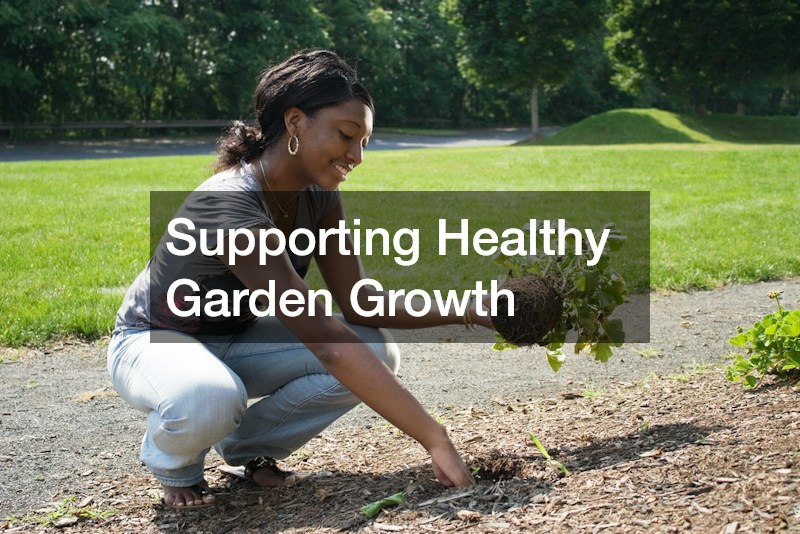
Gardens can add color, texture, and visual interest to a property, but plants need more than occasional watering to thrive. Different plants have different requirements for sunlight, moisture, soil conditions, pruning, and seasonal care. Understanding those needs can help homeowners avoid problems caused by planting the wrong species in unsuitable locations or allowing growing conditions to deteriorate.
Professional garden services can support the ongoing maintenance of planting beds and garden areas. Depending on the property, this can include planting, weeding, pruning, soil preparation, seasonal cleanup, and other routine tasks. Consistent maintenance can prevent weeds from competing with desirable plants for water and nutrients while keeping garden beds more organized.
Plant selection is also important for long-term health. Native and well-adapted plants can often perform better when their growing requirements match the local environment. Proper spacing is another consideration because overcrowded plants can compete for resources and create conditions that encourage certain pests and diseases.
Regular attention also makes it easier to identify problems early. Yellowing leaves, damaged stems, unusual growth, or declining plants can indicate that something needs to be addressed. Catching these concerns early can give homeowners a better opportunity to protect surrounding plants and maintain a healthy garden.
Protecting Soil Moisture and Plant Roots
Healthy soil provides plants with water, nutrients, and support for their root systems. However, exposed soil can lose moisture quickly, particularly during hot or dry weather. Bare soil can also be more vulnerable to erosion and temperature fluctuations.
Mulch can provide a protective layer over the soil around plants. It can help slow moisture evaporation, moderate soil temperatures, and reduce weed growth. Organic mulch can also contribute organic matter to the soil as it breaks down over time.
Homeowners can work with local mulch companies to select materials appropriate for their landscape. Different types of mulch have different appearances, textures, and maintenance requirements, so the best choice depends on the plants, soil, and desired look of the property.
Proper application matters as much as material selection. Mulch should generally be spread evenly rather than piled directly against tree trunks or plant stems. Excessive mulch can retain too much moisture around certain plants and create other problems.
Refreshing mulch as needed can help maintain its effectiveness and appearance. However, homeowners should avoid automatically adding new layers without checking the existing material first. Proper depth and placement can help provide the benefits of mulch without creating unnecessary issues.
Establishing a Strong and Healthy Lawn
A thick, healthy lawn can contribute to the overall appearance of a property while helping protect soil from erosion. However, lawns can become thin or patchy due to foot traffic, drought, disease, poor soil conditions, or other factors.
Seeding can be one way to establish grass in areas where existing turf is sparse. A lawn seeding company can evaluate the property and help determine which grass varieties are appropriate for the growing conditions. Selecting suitable seed can improve the likelihood of establishing healthy turf.
Timing also matters. Different grass types have different ideal growing periods, and seeding when conditions are unfavorable can make establishment more difficult. Soil preparation, moisture, and protection from excessive traffic can also influence results.
Once new grass begins growing, consistent maintenance is important. Appropriate watering, mowing, and fertilization can help young plants become established. Homeowners should also avoid excessive watering, which can contribute to shallow roots or other lawn problems.
A healthy lawn doesn’t necessarily mean maintaining perfectly uniform grass throughout the entire property. Understanding the conditions of each area and choosing appropriate plants and maintenance practices can create a more resilient landscape.
Creating Functional and Durable Outdoor Spaces
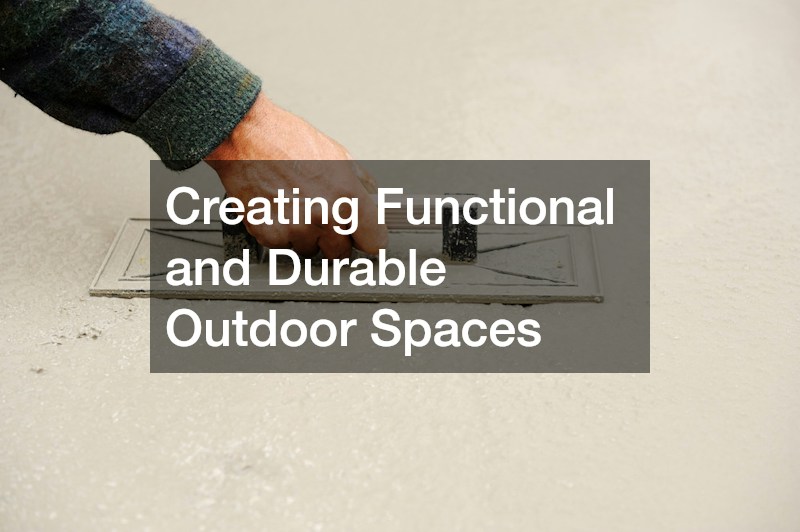
Landscaping can include much more than living plants. Patios, walkways, pathways, borders, and other constructed features can make outdoor areas more functional while complementing gardens and lawns.
Hardscaping can provide durable surfaces for entertaining, walking, seating, and other activities. Well-planned features can also help define different areas of a yard and create a more organized layout.
Drainage should be considered when adding hardscape features. Impermeable surfaces can affect how rainwater moves across a property, particularly when large areas are covered. Proper grading and drainage planning can help direct water away from structures and prevent it from collecting in unwanted areas.
Material selection is another important consideration. Outdoor surfaces are exposed to changing temperatures, moisture, sunlight, and regular foot traffic. Choosing materials that are appropriate for the property’s conditions can support long-term durability.
Professional installation can also help ensure that outdoor features have a stable foundation and appropriate drainage. Well-built hardscaping can reduce the likelihood of shifting, cracking, or other problems while creating outdoor spaces that remain useful for years.
Preventing Soil Erosion and Supporting Sloped Areas
Sloped properties can present unique landscaping challenges. Rainwater naturally moves downhill, and strong water flow can gradually carry soil away. Over time, erosion can expose plant roots, create uneven ground, and affect the stability of planting areas.
Retaining walls can help manage soil on certain slopes by creating supported sections within the landscape. These structures can also create additional planting areas or make uneven portions of a property more functional.
Proper planning is essential because retaining structures need to withstand the pressure of the soil behind them as well as water movement. Drainage is particularly important because water that becomes trapped behind a wall can increase pressure and contribute to structural problems.
The appropriate design depends on factors such as the slope, soil type, wall height, drainage conditions, and local requirements. Professional assessment can help determine whether a retaining structure is appropriate and how it should be designed.
Maintaining existing walls is also important. Homeowners should watch for cracks, leaning, bulging, drainage problems, or other changes that could indicate a developing issue. Addressing concerns early can help protect the surrounding landscape.
Delivering Water Where Plants Need It
Consistent watering is essential for lawns, gardens, trees, and other plants, particularly during dry periods. However, manually watering a large property can be time-consuming and may result in uneven coverage.
Sprinkler installers can design and install irrigation systems that distribute water throughout designated areas. A properly planned system can account for differences between lawns, planting beds, shrubs, and other landscape features.
Irrigation efficiency depends on several factors, including sprinkler placement, water pressure, timing, and system design. Sprinklers should deliver water where it is needed without unnecessarily soaking sidewalks, driveways, or other hard surfaces.
An irrigation system should also be adjusted as landscape conditions change. Newly planted areas may have different watering requirements than established plants. Seasonal weather changes can also affect how frequently irrigation is necessary.
Using an irrigation controller can make scheduling easier, but automated watering shouldn’t replace regular observation. Homeowners should still check their landscapes for signs of overwatering, dry areas, broken components, or other problems.
Addressing Irrigation Problems Before They Worsen
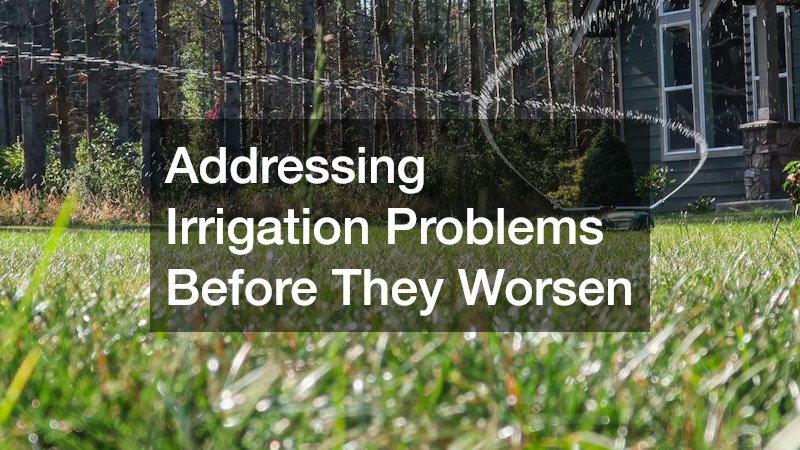
Even a well-designed irrigation system can eventually develop problems. Broken sprinkler heads, clogged nozzles, damaged pipes, leaks, and malfunctioning controllers can affect water distribution and increase unnecessary water use.
Prompt sprinkler repair can help restore proper irrigation and prevent affected areas from receiving too little or too much water. A broken component may seem like a minor inconvenience, but a system that isn’t operating correctly can contribute to dry grass, stressed plants, water pooling, or higher water consumption.
Homeowners should periodically inspect irrigation zones while they’re operating. Signs such as spraying water in an unusual direction, areas of standing water, unusually dry patches, or sudden changes in water pressure can indicate a problem.
Seasonal inspections can also be helpful. Irrigation systems may require adjustments after winter, particularly in regions where freezing temperatures can affect pipes and components. Preparing the system appropriately for seasonal changes can help reduce the likelihood of damage.
Keeping irrigation equipment maintained supports both plant health and efficient water use. Addressing minor problems promptly can also reduce the risk that a damaged component affects a larger portion of the system.
Protecting Trees From Common Yard Hazards
Trees are valuable landscape features that can provide shade, visual interest, and habitat. However, their size and location mean that problems involving branches, roots, or structural stability can affect both the tree and surrounding property.
Professional tree service can address a variety of needs, including inspections, pruning, removal of damaged branches, and other maintenance tasks. Regular evaluation can help identify signs of disease, decay, storm damage, or structural concerns.
Trees should also be considered when planning other landscape improvements. Excavation, construction, and changes to soil levels around established trees can affect their root systems. Heavy equipment and repeated soil disturbance can create additional stress.
Weather is another consideration. High winds, heavy snow, and severe storms can break branches or damage trees. After significant weather events, homeowners should look for hanging branches, cracks, leaning trees, and other visible signs of damage.
Because tree work can involve heights, heavy branches, and specialized equipment, some tasks are better handled by trained professionals. Proper maintenance can help protect the tree while reducing potential hazards around the property.
Maintaining Healthy and Manageable Tree Growth
Trees naturally grow in different directions and develop branches at different rates. Without appropriate maintenance, some branches can become overextended, cross one another, or grow too close to structures and utility lines.
Tree trimming can help manage unwanted growth and maintain a tree’s structure. Removing selected branches can improve clearance, reduce certain hazards, and support the tree’s overall form when performed appropriately.
Timing and technique are important. Removing too many branches at once can stress a tree, while improper cuts can create wounds that are more difficult for the tree to seal. Different tree species may also have different pruning requirements.
Homeowners should avoid treating every branch as something that needs to be removed. Pruning should have a specific purpose, such as removing damaged growth, improving clearance, or addressing structural concerns.
Regular evaluation can make maintenance more manageable. Rather than waiting until branches become significantly overgrown or hazardous, homeowners can monitor tree growth and address appropriate pruning needs over time.
Supporting Long-Term Tree Health
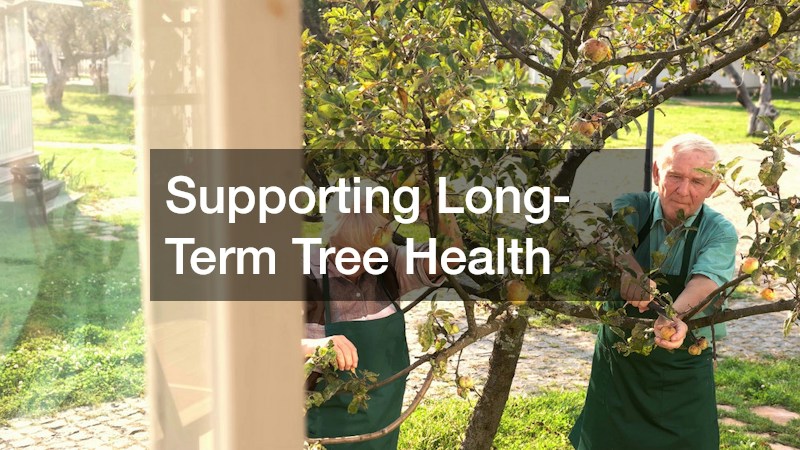
Trees can remain part of a landscape for many years, making long-term care particularly important. Their health can be influenced by soil conditions, available water, root space, pests, disease, pruning practices, and environmental stress.
Professional tree care can provide a more comprehensive approach to maintaining established trees. Depending on the property’s needs, this may include inspections, pruning recommendations, disease or pest assessments, and other maintenance services.
Protecting the root zone is especially important. Tree roots can extend well beyond the area directly beneath the branches, and compacted soil or unnecessary excavation can interfere with root health. Avoiding excessive disturbance around established trees can help preserve their growing environment.
Watering practices should also be appropriate for the tree and local conditions. Newly planted trees often need more consistent attention while their root systems become established, while established trees may have different requirements.
Long-term observation is another important part of tree maintenance. Changes in bark, leaves, branches, or overall growth can sometimes signal stress. Addressing concerns early can give homeowners more opportunities to protect valuable trees and maintain a healthy landscape.
A healthy landscape requires more than occasional mowing or seasonal cleanup. Every part of the yard contributes to its overall condition, from garden beds and lawns to irrigation systems, trees, soil, and outdoor structures. When these elements are maintained together, homeowners can create an outdoor environment that is attractive, functional, and better prepared for changing conditions.
Professional landscaping can help homeowners address both routine maintenance and more specialized needs. Consistent garden maintenance can support plant growth, while mulch can help protect soil and retain moisture. Proper lawn establishment can create stronger turf, and well-planned hardscaping can make outdoor areas more useful without overlooking drainage concerns.
Other landscape features require equally thoughtful attention. Retaining structures can help manage certain slopes, while properly designed irrigation systems can deliver water more efficiently. Promptly addressing irrigation problems can protect plants and reduce unnecessary water use. Trees also benefit from regular evaluation and appropriate pruning, especially when they’re located near structures, walkways, or other areas where damaged growth could create a hazard.
The most effective landscape maintenance approach is based on the property’s specific conditions. Soil type, plant selection, drainage, weather, tree species, and how the yard is used can all influence the care it needs. A professional can help homeowners identify priorities and develop a maintenance strategy that fits their landscape.
By addressing small concerns consistently and investing in appropriate maintenance, homeowners can help their yards remain healthy over time. A well-maintained landscape can provide lasting beauty and function while reducing the likelihood that preventable problems will interfere with the enjoyment of the property.