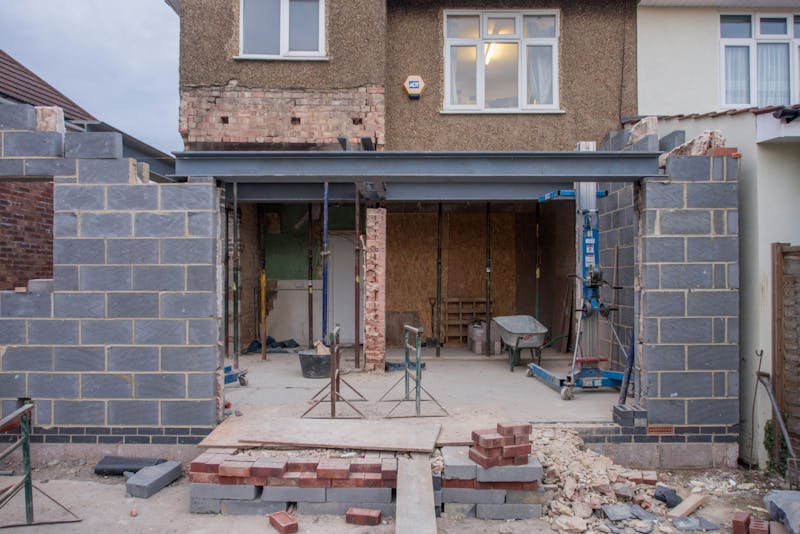
Homeowners today are increasingly looking for ways to improve comfort, functionality, and long-term value within their living spaces. Rather than focusing on isolated upgrades, many are now investing in comprehensive property improvements that reshape the entire home experience. This shift reflects a growing desire for cohesive design, improved efficiency, and modern aesthetics that align with contemporary lifestyles. Whether the goal is to enhance daily livability, prepare a property for resale, or simply bring outdated spaces into a more current style, a well-planned renovation can make a significant difference in both appearance and performance.
A successful transformation begins with a clear understanding of goals and expectations. Some homeowners want open-concept layouts that encourage better flow between rooms, while others prioritize updated finishes, improved storage, or enhanced durability in high-use areas. In many cases, older homes require structural updates or system improvements before aesthetic changes can be fully realized. This makes planning and coordination essential from the very beginning.
Equally important is working with skilled professionals who understand how to manage complex projects. Coordinating multiple trades, materials, and timelines requires organization and experience to ensure each phase of work aligns properly. Without this structure, delays and inconsistencies can quickly disrupt progress and increase costs. For this reason, many homeowners rely on experienced contractors who can oversee the entire process from design to completion.
Material selection also plays a key role in shaping the final result. From surfaces and fixtures to color palettes and finishes, every choice contributes to the overall atmosphere of the home. High-quality materials not only improve visual appeal but also increase durability and reduce long-term maintenance needs. Thoughtful planning at this stage helps ensure that the finished space is both practical and visually cohesive.
As renovation projects become more personalized, homeowners are also placing greater emphasis on customization. Instead of generic designs, many prefer tailored solutions that reflect their lifestyle, preferences, and daily routines. This approach leads to spaces that feel more intentional and comfortable while also increasing overall property value.
Starting Your Full-Scale Home Transformation

Beginning a major home upgrade requires careful coordination, planning, and a clear vision for the finished space. A well-managed approach ensures that every stage of work contributes to a cohesive final result rather than a collection of disconnected updates. Many homeowners start by consulting a professional remodeling service to assess the current condition of the home and outline a structured plan for improvements. This early stage often includes identifying structural needs, setting priorities, and establishing a realistic budget that aligns with long-term goals.
Once the foundation of the project is defined, attention shifts to design and functionality. Layout changes, storage improvements, and flow between rooms are considered to maximize usability. This phase is especially important in older homes where outdated configurations may limit comfort or efficiency. A thoughtful transformation not only enhances appearance but also improves how the space is used on a daily basis.
Communication is also essential during this stage. Homeowners and contractors must remain aligned on expectations, timelines, and material selections. Clear planning reduces the likelihood of delays and ensures each phase transitions smoothly into the next. With a structured approach in place, the transformation process becomes more predictable and manageable.
Reimagining Your Living Space from the Ground Up
Reworking an entire home involves more than surface-level updates; it requires a comprehensive evaluation of how each area functions together. Many homeowners choose to pursue full home remodels when they want to modernize outdated layouts, improve efficiency, or create a more open and connected environment. This process often begins with rethinking how rooms interact, especially in older properties where compartmentalized designs may feel restrictive.
Structural adjustments may be necessary to support new layouts, such as removing walls or expanding living areas. These changes help create better flow and improve natural light distribution throughout the home. In addition, storage solutions are often redesigned to better suit modern lifestyles, reducing clutter and increasing usability.
A full redesign also provides the opportunity to update essential systems and finishes simultaneously. This integrated approach ensures consistency across the home and avoids the patchwork effect that can occur when upgrades are completed in isolation. By addressing the property as a whole, homeowners achieve a more unified and intentional result.
Upgrading the Heart of the Home With Modern Design
The kitchen is often considered the most important space in the home, serving as a central hub for cooking, gathering, and daily activity. As a result, kitchen renovations are among the most impactful improvements a homeowner can make. Modern updates focus on improving both aesthetics and functionality, ensuring the space is efficient, comfortable, and visually appealing.
Common enhancements include redesigned layouts that improve workflow between cooking, cleaning, and storage areas. Many homeowners also choose to upgrade cabinetry, lighting, and appliances to create a more streamlined and contemporary environment. These improvements not only enhance usability but also contribute to a more enjoyable cooking and dining experience.
Material selection plays a significant role in kitchen design as well. Durable, easy-to-maintain surfaces are prioritized to withstand daily use while maintaining their appearance over time. A well-executed kitchen transformation can significantly increase both property value and overall satisfaction with the home.
Choosing the Right Materials for Your Interior Surfaces

Selecting materials for flooring and other interior surfaces is a critical step in achieving a balanced and durable design. Many homeowners visit a flooring store to explore different options in texture, color, and performance. This allows them to compare materials firsthand and choose solutions that align with both style preferences and practical needs.
Durability is often a key consideration, especially in high-traffic areas such as hallways, kitchens, and living rooms. At the same time, aesthetic consistency across rooms helps create a unified look throughout the home. The right materials can enhance lighting, complement furniture, and establish the overall tone of the interior design.
Professional guidance is often helpful during this stage, as different materials offer varying levels of maintenance and longevity. Choosing wisely ensures that surfaces remain attractive and functional for years to come.
Refreshing Your Home With Professional Color Updates
One of the most effective ways to transform a space is through updated color schemes. Professional painting services allow homeowners to completely change the mood and character of their interiors without major structural alterations. Color selection can make rooms feel larger, brighter, or more intimate depending on the desired effect.
Beyond personal preference, color psychology often influences how a space is experienced. Soft neutrals can create a calming environment, while deeper tones add warmth and sophistication. This allows homeowners to tailor each room’s atmosphere to its specific function, whether it’s relaxation, productivity, or social gathering.
Fresh paint also helps cover wear and aging, giving the home a clean and renewed appearance. Beyond aesthetics, high-quality application ensures even coverage and long-lasting results. When coordinated with other design updates, new paint enhances cohesion across the entire home.
Durability is another key advantage of professional application, as proper surface preparation helps paint adhere better and resist chipping over time. This reduces the need for frequent touch-ups and maintains a polished look for years. In combination with updated furnishings and lighting, freshly painted walls help complete a cohesive interior transformation.
Elevating Kitchen Surfaces With Durable Stone Options
Countertop selection plays a major role in both kitchen design and functionality. A granite countertop is often chosen for its durability, resistance to heat, and natural beauty. These surfaces provide a strong focal point while offering long-term performance in busy kitchens.
Homeowners often appreciate granite for its ability to withstand heavy daily use without losing its visual appeal. Its dense composition makes it resistant to scratches and stains when properly sealed, making it a practical option for cooking and food preparation areas. This combination of strength and elegance makes it a popular choice in modern renovations.
Granite also adds value to the home due to its premium appearance and lasting quality. Its natural variations ensure that each installation is unique, contributing to a custom-designed feel. When paired with complementary cabinetry and fixtures, it enhances the overall aesthetic of the kitchen.
Lighting design can further elevate stone surfaces by highlighting their natural patterns and depth. Under-cabinet lighting or pendant fixtures can enhance the visual impact of granite, turning it into a standout feature within the kitchen. This thoughtful integration helps create a balanced and visually appealing space.
Designing Functional and Stylish Kitchen Workspaces
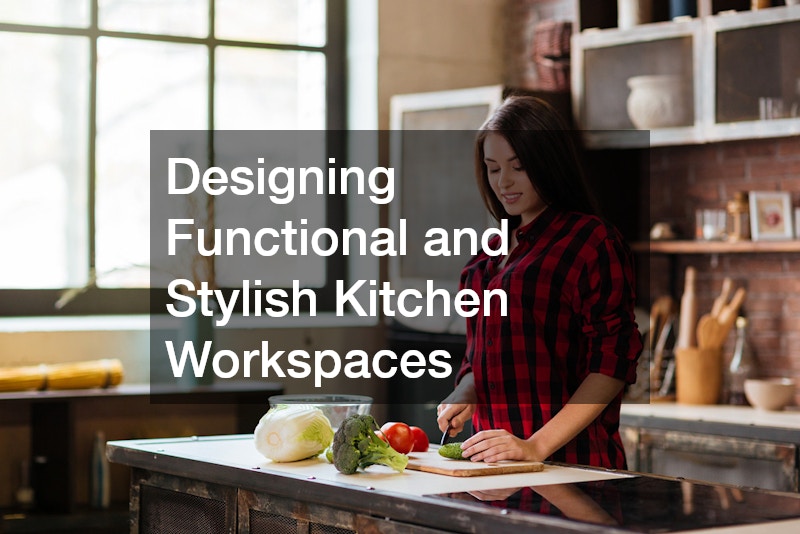
Beyond surfaces, overall kitchen usability depends on thoughtful layout and design. A kitchen countertop must be positioned to support efficient workflow, allowing for easy movement between preparation, cooking, and cleaning areas. Proper spacing and height considerations improve comfort and reduce strain during daily tasks.
Modern kitchen design often emphasizes the “work triangle” concept, which connects the sink, stove, and refrigerator in an efficient layout. This approach minimizes unnecessary movement and improves productivity while cooking. When applied correctly, it creates a smoother and more enjoyable kitchen experience.
Designing a functional workspace involves balancing aesthetics with practicality. Storage solutions, lighting placement, and appliance integration all contribute to a cohesive and efficient environment. The goal is to create a kitchen that supports both everyday routines and entertaining needs.
Ergonomic considerations are also important, especially for households that spend significant time cooking. Adjustable storage, accessible shelving, and well-planned counter heights can reduce strain and improve comfort. These details ensure the kitchen is not only stylish but also highly functional for long-term use.
Installing Elegant Stone Flooring for Lasting Appeal
Flooring plays a major role in defining the character of interior spaces. Working with marble floor installers ensures that stone surfaces are properly fitted, leveled, and finished for long-term durability. Marble flooring adds a sense of luxury and timeless elegance to both traditional and modern homes.
Marble also offers a unique visual depth that enhances natural lighting within a space. Its reflective surface can make rooms feel more open and spacious, especially in areas with limited natural light. This makes it a popular choice for entryways, hallways, and formal living spaces.
Beyond appearance, professional installation is essential for preventing future issues such as cracking or uneven wear. Proper preparation and sealing help protect the material and maintain its beauty over time. When installed correctly, marble flooring becomes a standout feature within the home.
Maintenance practices also contribute to the longevity of marble surfaces. Regular cleaning with non-abrasive products and periodic resealing help preserve its finish and prevent staining. With proper care, marble flooring can maintain its elegance for decades, making it a worthwhile long-term investment.
Ensuring Reliable Water Systems During Renovation
Plumbing is one of the most critical components of any home improvement project. A licensed plumber ensures that water systems are installed and maintained safely, preventing leaks, pressure issues, and long-term damage. Their expertise is especially important when layouts are changed or fixtures are relocated during renovation.
In older homes, plumbing upgrades are often necessary to replace outdated pipes and improve overall efficiency. Modern systems are designed to conserve water while maintaining strong performance, which can lead to long-term utility savings. These improvements also help reduce the risk of emergency repairs.
Proper plumbing work supports the functionality of kitchens, bathrooms, and laundry areas. It also ensures compliance with safety standards and building codes. Reliable installation reduces the risk of future repairs and contributes to the overall stability of the home.
Coordination with other renovation trades is essential during plumbing work to avoid conflicts with electrical systems or structural changes. Careful planning ensures that pipes and fixtures are installed in the correct sequence, reducing delays and preventing costly rework.
Powering Your Renovation With Safe Electrical Work

Electrical systems are another essential element of a successful renovation. A qualified electrician ensures that wiring, outlets, and lighting systems are installed safely and efficiently. This includes upgrading outdated systems to support modern appliances and technology.
Proper electrical planning enhances both safety and convenience throughout the home. It allows for improved lighting design, better energy efficiency, and reliable performance of all connected devices. When completed correctly, electrical work provides a strong foundation for long-term functionality.
A complete home transformation is more than a series of isolated improvements; it is a coordinated effort to enhance comfort, functionality, and long-term value across every part of the property. When each stage of the process is carefully planned and executed, the result is a home that feels cohesive, modern, and tailored to the needs of its occupants.
From initial planning to final finishes, every decision plays a role in shaping the overall outcome. Structural changes establish the foundation, while material selections and design choices define the aesthetic and functional character of the space. When these elements are aligned, the home becomes more efficient, visually appealing, and better suited to daily living.
Professional expertise is essential throughout the process. Skilled contractors help manage complexity, coordinate timelines, and ensure that each phase meets quality standards. Their guidance reduces stress for homeowners and helps prevent costly mistakes or delays. This level of support is especially valuable in large-scale projects involving multiple systems and design elements.
Equally important is attention to detail. Small decisions, such as fixture placement, color selection, and surface materials, can significantly influence the final result. When thoughtfully considered, these details contribute to a more refined and intentional living environment.
Ultimately, a well-executed renovation delivers lasting benefits that extend beyond aesthetics. It improves functionality, increases property value, and enhances everyday comfort. By approaching the project with careful planning and professional support, homeowners can achieve a transformation that remains valuable and enjoyable for years to come.