
The pursuit of an upscale lifestyle is defined by the transformation of a personal residence into a curated sanctuary that reflects one’s achievements and refined values. For the modern homeowner, a luxury dwelling is no longer just about excessive square footage; it is about the intentionality of design, the caliber of materials, and the seamless integration of form and function.
1. Structural Foundations and Custom Partnerships

The cornerstone of any significant residential transformation lies in the strength and expertise of the leadership team overseeing the physical build. When transitioning from a standard floor plan to a high-concept estate, the complexities of the project multiply, requiring a level of oversight that exceeds the capabilities of a traditional general contractor. An upscale renovation often involves moving load-bearing walls, raising ceiling heights, or adding entire wings, all of which demand a deep understanding of architectural integrity and local building codes. By aligning with the right professionals early in the process, homeowners ensure that the “bones” of the residence are treated with the precision required to support heavy luxury finishes and advanced mechanical systems.
Securing the services of premier custom home builders is the most critical step in ensuring that a visionary design is executed with surgical accuracy. These elite firms provide more than just construction labor; they offer comprehensive project management that harmonizes the work of architects, engineers, and interior designers. In an upscale renovation, these builders act as the primary stewards of quality, vetting every subcontractor and sourcing the specific, high-grade lumber and steel necessary for modern spans and open-concept layouts. Their involvement guarantees that the invisible elements of the home—such as high-velocity HVAC systems and reinforced subflooring—are robust enough to handle the demands of a high-comfort lifestyle for decades to come.
2. Culinary Excellence: The Professional-Grade Kitchen
In the modern luxury home, the kitchen has evolved into a multifunctional hub that serves as both a high-performance culinary laboratory and a sophisticated social stage. Achieving an upscale aesthetic in this space requires a balance between hidden utility and visible grandeur, where the mess of meal preparation is concealed by clever design while the beauty of the craftsmanship remains on full display. A truly upscale kitchen renovation often incorporates a “scullery” or “dirty kitchen,” allowing the primary living area to remain a pristine gallery for entertaining guests. This layout emphasizes the shift toward experiential living, where the act of cooking becomes a performance supported by ergonomic flow and atmospheric lighting.
To truly anchor the kitchen in the realm of professional excellence, one must invest in world-class kitchen equipment that offers precision beyond the reach of consumer-grade appliances. This includes the integration of 48-inch dual-fuel ranges with infrared griddles, built-in steam ovens for gourmet cooking, and modular refrigeration columns that disappear behind custom cabinetry panels. Actionable luxury in this context means selecting appliances based on specific culinary habits, such as installing a dedicated morning station with a plumbed-in espresso machine. These tools do more than cook food; they provide a frictionless lifestyle where the technology anticipates the needs of the homeowner, turning daily routines into moments of indulgence.
3. Natural Stone Artistry: The Marble Standard
The use of natural stone is perhaps the most enduring hallmark of a high-end residence, providing a sense of permanence and organic beauty that synthetic materials cannot replicate. Stone surfaces serve as the primary visual anchor in bathrooms, kitchens, and entryways, offering a unique fingerprint of the earth’s history through their veining and coloration. In an upscale renovation, the goal is to move away from common patterns in favor of rare, statement-making slabs that act as functional pieces of art. The selection process involves looking for “book-matched” sets, where the patterns of two adjacent slabs mirror each other perfectly, creating a dramatic, symmetrical effect that is a staple of elite interior design.
When it comes to selecting the pinnacle of stone surfaces, few materials command the same level of prestige as high-grade marble, particularly varieties like Calacatta Gold or Statuario. While some homeowners shy away from its porous nature, the upscale lifestyle embraces the “living” quality of this stone, often opting for a honed finish that hides scratches while providing a soft, velvet-like texture. Specific advice for the luxury homeowner includes utilizing thick, mitered edges—sometimes up to three or four inches deep—to give kitchen islands and bathroom vanities a sense of monolithic weight. By treating this stone as a focal point, you imbue the home with a classic elegance that transcends passing design trends and boosts the property’s intrinsic value.
4. Master Suites: The Private Sanctuary

The master suite in a high-end home should function as a world unto itself, a secluded retreat designed to provide total respite from the outside world. This involves more than just a large bedroom; it requires a thoughtful suite of rooms, including a private lounge, a spa-inspired bathroom, and boutique-style dressing areas. The layout must prioritize privacy and tranquility, often utilizing vestibule entries to create a physical and psychological barrier between social areas and sleeping quarters. Within this sanctuary, every detail should be tuned to the homeowner’s personal comfort, from automated blackout drapery to silent, multi-zoned climate control that maintains the perfect temperature for sleep hygiene.
A sophisticated master suite incorporates a level of customization that rivals five-star hotel accommodations, with a heavy emphasis on tactile luxury and integrated technology. Actionable ideas for this space include the installation of a “wet room” in the ensuite, where a freestanding soaking tub and a multi-head rainfall shower share a single glass-enclosed area finished in stone. To ensure the space remains a true house remodeling success, homeowners should consider adding a morning bar equipped with a concealed refrigerator, allowing for a slow, private start to the day without ever leaving the suite.
5. Flooring as a Design Foundation
The choice of flooring is the single most impactful design decision in a home, as it covers the largest surface area and dictates the acoustic and thermal “feel” of every room. For those seeking an upscale lifestyle, flooring is treated as a foundational canvas that must be both visually stunning and exceptionally durable. High-end renovations frequently move toward wide-plank hardwoods or oversized stone tiles to minimize grout lines and create a sense of expansive, uninterrupted space.
Navigating the vast selection at a premier flooring store is a task that requires an eye for both grade and grain, as the difference between “select” and “character” grade wood can completely alter the room’s formality. For a truly upscale look, homeowners should look for European White Oak with a 6mm wear layer, which allows for multiple refinishings over the decades, ensuring the investment is lifelong. Specific advice for those seeking a modern aesthetic includes opting for “flush-mount” transitions, where different flooring materials meet at the exact same height without the need for transition strips. This level of detail—combined with radiant under-floor heating—elevates the sensory experience of the home to a level of unparalleled comfort.
6. Textile Curation: The Power of Custom Rugs
In large, open-concept luxury homes, the challenge often lies in making expansive rooms feel intimate and purposeful rather than cavernous. Textiles play a vital role in this transition, serving as the “soft architecture” that defines boundaries and provides the necessary acoustic dampening to prevent echoes in high-ceilinged spaces. High-end interior design relies heavily on the use of layering textures to create depth, where the interaction between light and fabric adds a sense of richness.
To achieve a truly bespoke aesthetic, one must look beyond standard sizes and patterns toward the creation of custom rugs that are tailored to the specific dimensions and color palette of a room. These pieces are often hand-knotted from premium fibers like New Zealand wool or botanical silk, offering a luster and durability that machine-made options simply cannot match. A crucial tip for the upscale homeowner is to ensure the rug is large enough that all furniture legs sit comfortably on the surface, which visually expands the room.
7. Interior Selection: The Furniture Store Strategy
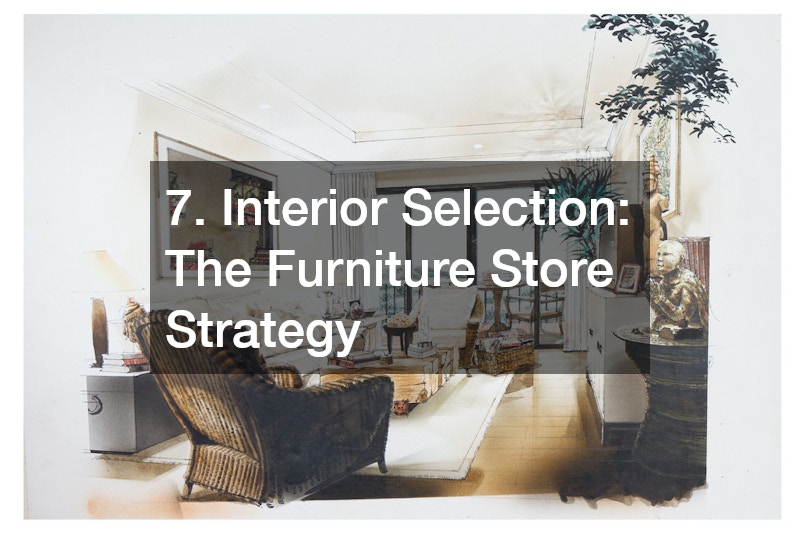
Furnishing an upscale home is an exercise in curation, where the goal is to assemble a collection of pieces that offer a perfect blend of artistic expression and ergonomic excellence. The modern luxury aesthetic has moved away from matching furniture sets in favor of a more eclectic look that suggests a life of refined taste. This process involves sourcing statement pieces that can stand alone as sculpture while still providing the functionality required for daily use. High-end furniture is distinguished by its joinery, the quality of its internal suspension, and the provenance of its materials, ensuring that each piece is an heirloom in the making.
Achieving this level of sophistication requires bypassing mainstream retail in favor of a specialized furniture store that offers “to-the-trade” exclusivity and customization options. When selecting pieces, the focus should be on bespoke upholstery, where the homeowner can select the exact density of the cushions and the specific mill for the fabric. Actionable advice for the high-end shopper includes prioritizing foundational pieces—like a handcrafted dining table—and then layering in avant-garde items that provide personality.
8. The Automotive Gallery: Garage Transformation
For the homeowner seeking an upscale lifestyle, the garage is no longer a neglected utility zone; it is an extension of the home’s living space and a gallery for automotive passion. A luxury garage renovation focuses on creating a climate-controlled, laboratory-clean environment where high-performance vehicles can be showcased. This involves upgrading the lighting to museum-grade LED systems that eliminate shadows and installing industrial-strength epoxy flooring that is resistant to chemicals.
The key to maintaining this pristine environment lies in the installation of professional-grade garage cabinets that are custom-fitted to the space’s specific dimensions. These systems should feature powder-coated finishes and stainless steel work surfaces to provide a durable yet sleek aesthetic that conceals tools and detailing supplies. Specific advice includes integrating a “mudroom” transition zone within the cabinetry layout, providing a dedicated space for charging electric vehicles and storing sporting equipment behind closed doors.
9. Perimeter Architecture: Curb Appeal and Entry
The exterior of a home provides the critical first impression that sets the expectations for the interior, making curb appeal a vital component of any upscale renovation. A luxury facade is defined by its materiality and its relationship with the surrounding landscape, utilizing stone, timber, and glass to create a sophisticated architectural statement. This also includes the integration of smart home technology into the entry points, ensuring that security is robust but nearly invisible. From copper-clad gutters to custom-forged iron gates, every exterior detail should communicate a sense of permanence and meticulous attention to detail.
A frequently overlooked yet highly impactful element of the home’s facade is the choice of overhead entries, which is why consulting with premier garage door companies is essential for a cohesive look. In an upscale renovation, standard steel doors are replaced with custom-milled mahogany or full-view glass panels with aluminum frames to match a modern aesthetic. Actionable advice for the homeowner includes ensuring these doors are equipped with high-insulation values and ultra-quiet side-mount openers to maintain the home’s peaceful atmosphere.
10. Outdoor Oases: The Luxury Pool and Beyond

The final frontier of the upscale lifestyle is the mastery of the outdoor living space, turning the backyard into a private resort that rivals any global vacation destination. Modern outdoor design focuses on “room-making,” using hardscaping and landscaping to create distinct areas for lounging, dining, and recreation. This includes the installation of outdoor kitchens with pizza ovens and automated louvered pergolas that provide shade at the touch of a button. The goal is to extend the home’s living square footage into nature, providing a year-round venue for relaxation and high-capacity entertaining.
The centerpiece of this outdoor oasis is invariably a custom-designed aquatic feature, which is why partnering with an experienced luxury pool builder is non-negotiable for high-end results. Beyond a standard swimming area, these specialists design “knife-edge” pools where the water appears to be a flat sheet of glass level with the deck. Actionable luxury features to consider include integrated Baja shelves for in-water lounging and advanced ozone filtration systems that provide crystal-clear water.
The journey to creating an upscale residence is a multifaceted endeavor that requires a deep commitment to quality and a willingness to invest in specialized expertise. From the initial structural changes overseen by master builders to the final selection of a custom-knotted rug, every decision plays a role in defining the home’s character and the lifestyle it enables.