
Aging-in-place is becoming an increasingly popular choice for seniors who want to maintain their independence. By carefully considering design elements, home remodeling can significantly improve both comfort and safety. These modifications not only cater to physical needs but also enhance the overall quality of life.
1. What Benefits Do Bathroom Cabinets Offer in Aging-in-Place Design?
1.1 Storage Solutions for Accessibility
Bathroom cabinets play a crucial role in an aging-in-place design by offering accessible storage solutions. Seniors often require a more organized space to easily access their personal items. Thoughtfully designed cabinets ensure essential items are within reach, reducing the risk of accidents.
1.2 Materials and Design for Longevity
Choosing the right materials for bathroom cabinets is essential for longevity in an aging-in-place environment. Durable materials reduce the need for frequent replacements, which can be both costly and inconvenient. High-quality finishes and fixtures ensure the cabinets function well over time.
1.3 Customization Options for Safety
Custom cabinets can be tailored to meet the unique needs of seniors, focusing on safety features. Options such as pull-out shelves, easy-to-grip handles, and soft-close hinges improve usability. These customized features help create a safe and user-friendly bathroom environment.
2. How to Choose the Right Bathroom Remodelers?

2.1 Identifying Qualified Professionals
Finding the right bathroom remodelers is crucial in ensuring successful aging-in-place designs. Qualified professionals have the expertise needed to accommodate specific senior needs in their design plans. Certifications and previous experience in similar projects can help in identifying the best candidates.
2.2 Evaluating Past Projects and Reviews
Before hiring bathroom remodelers, it’s essential to evaluate their past projects and client feedback. Reviews can provide insight into the quality of work and customer satisfaction. Visiting previous works or viewing portfolios helps in assessing the ability of remodelers to deliver on expectations.
2.3 Understanding Service Offerings and Costs
Homeowners should clarify the scope of services and associated costs with remodeling contractors. An in-depth discussion about project timelines, materials, and additional services can prevent unexpected expenses. Transparent communication ensures all requirements are understood and met.
3. What Are the Key Components of Aging-in-Place Kitchen Remodeling Services?
3.1 Ergonomic Design Elements
When it comes to kitchen remodeling services, ergonomic design is key for senior accommodation. Features like varying countertop heights and easy-to-reach cabinets can vastly improve kitchen usability. Such considerations allow seniors to perform daily chores with less strain and effort.
3.2 Smart Technology Integration
Integrating smart technology into kitchen spaces is becoming increasingly important for aging-in-place design. Modern appliances with automated settings reduce manual labor and can help prevent accidents. Voice-activated features and smartphone control add an element of convenience and safety.
3.3 Flexible Layouts for Accessibility
Adapting layouts for increased accessibility is a fundamental aspect of kitchen remodeling services. Open spaces and strategically placed appliances ensure free and safe navigation. This adaptability not only enhances functionality but also caters to future mobility needs.
4. How Can Basement Remodeling Contractors Aid in Creating a Functional Space for Seniors?
4.1 Transforming Basements into Livable Areas
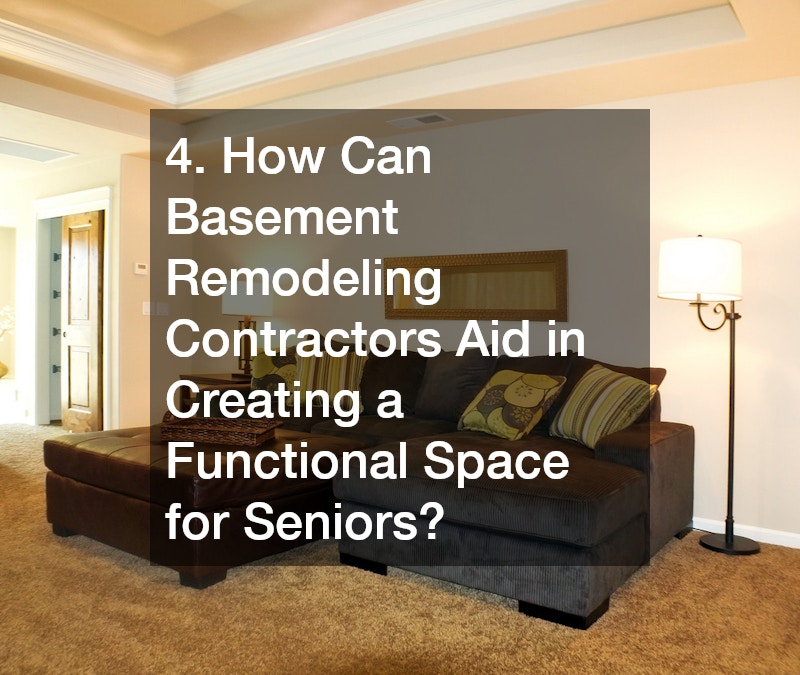
Basement remodeling contractors can transform often-underutilized spaces into comfortable living areas for seniors. Converting basements into accessible living quarters allows more room for family interactions or independent living. Thoughtful design ensures these areas are both functional and welcoming.
4.2 Incorporating Safety Features
Incorporating safety features in basement renovations is imperative as these spaces tend to have unique challenges. Proper lighting, non-slip floors, and sturdy handrails are crucial for preventing falls and injuries. These modifications ensure basements are as safe as the rest of the home.
4.3 Enhancing Natural Light and Ventilation
Enhancing natural light and ventilation in basements can greatly improve living conditions. Egress windows and well-planned air systems prevent stuffiness and promote a healthier environment. This contributes to the well-being and comfort of seniors choosing to age in place.
5. How to Incorporate Custom Cabinets to Enhance Usability?
5.1 Designing Cabinets for Easy Access
Custom cabinets designed for easy access can greatly benefit seniors looking to age in place. Features like pull-out drawers and labeled compartments enhance organization and accessibility. This user-focused design reduces the need for bending and reaching, thus minimizing potential injury.
5.2 Selecting Durable Materials
Opting for durable materials in custom cabinets ensures lasting usability and minimizes replacement concerns. Strong and sustainable materials like hardwood or engineered composites withstand daily use effectively. A well-chosen finish also ensures timeless appeal and resilience against wear and tear.
5.3 Maximizing Space with Smart Storage
Maximizing space is a priority in aging-in-place design, and smart storage solutions in custom cabinets play a pivotal role. Utilizing vertical space and incorporating multifunctional units can significantly expand storage options. Such innovations create an organized and clutter-free living space, enhancing senior comfort.
6. What Qualities Should You Look for in a Remodeling Contractor?

6.1 Verifying Credentials and Experience
In selecting a remodeling contractor for aging-in-place projects, verifying their credentials and experience is crucial. Certifications in accessible design or senior living can indicate a contractor’s ability to meet specific needs. Experience in similar projects ensures an understanding of unique aging-in-place requirements.
6.2 Interpreting Client Feedback
Client feedback provides valuable insight into the performance and reliability of a remodeling contractor. Positive reviews and recommendations from past customers signify quality service and professionalism. Analyzing this feedback can guide decision-making and help avoid potential issues.
6.3 Evaluating Cost Versus Quality
Balancing cost with quality is often a crucial consideration when choosing a remodeling contractor. While affordability is important, it should not come at the expense of quality craftsmanship. Clear and upfront communication about budget constraints and expectations ensures satisfactory outcomes.
7. What Are the Emerging Trends in Home Renovation for Aging-in-Place?
7.1 Universal Design Principles
Universal design principles are gaining popularity in home renovation for aging-in-place, emphasizing inclusive usability. Features accommodate a wide range of abilities without the need for additional modifications. Creating a barrier-free environment supports autonomy and independence for seniors.
7.2 Eco-Friendly Materials
The use of eco-friendly materials in aging-in-place renovations is becoming a significant trend. Sustainable choices not only reduce environmental impact but also improve indoor air quality and overall health. Homeowners are increasingly integrating these materials for both ethical and personal benefits.
7.3 Smart Home Adaptations
Smart home adaptations are at the forefront of modern home renovation trends for aging-in-place. Automation and artificial intelligence can considerably enhance safety and convenience. These technologies allow seniors to comfortably live independently while maintaining a connection with family members.
8. How Can Local Kitchen Design Services Optimize Your Kitchen for Aging?

8.1 Tailoring Kitchens for Mobility
Local kitchen design services are adept at tailoring kitchens to enhance mobility for aging users. Designing lower work surfaces and strategically placing countertops improves accessibility. Such adaptations support ease of movement and facilitate everyday kitchen tasks for seniors.
8.2 Innovative Countertop Heights
Implementing innovative countertop heights is a key strategy employed by local kitchen design services. Adjustable or multi-level countertops allow individuals to perform tasks while seated or standing. Customized heights accommodate diverse requirements, enhancing functionality and safety.
8.3 Implementing User-Friendly Appliances
User-friendly appliances play a vital role in creating a senior-compatible kitchen environment. Installing appliances with intuitive controls and easy-to-read displays reduces complexity and potential errors. This mindful approach ensures that seniors can effectively use kitchen amenities.
9. What Role Do New Kitchen Cabinets Play in Aging-in-Place?
9.1 Organizing Essential Items
New kitchen cabinets can be pivotal in organizing essential items for aging-in-place settings. By offering compartmentalized and accessible storage, they can significantly enhance day-to-day convenience. Proper organization ensures that necessary ingredients and tools are always within reach.
9.2 Enhancing Aesthetic Appeal
Aesthetic appeal is a significant factor inherent to new kitchen cabinets designed for aging-in-place. Selecting visually pleasing finishes and styles can improve the overall mood and comfort of the kitchen space. A well-designed cabinet setup contributes to a warm and inviting atmosphere.
In addition to style, thoughtful design details such as soft-close hinges, sleek hardware, and coordinated color palettes can elevate both function and appearance. Lighter finishes may brighten the room and improve visibility, while contrasting tones can help define storage areas more clearly. By blending beauty with practicality, homeowners can create a kitchen that feels welcoming while still supporting long-term accessibility needs.
9.3 Facilitating Safe and Easy Use
The primary benefit of new kitchen cabinets in aging-in-place settings is facilitating safe and easy use. Cabinets that include features like full-extension drawers and soft-close mechanisms can prevent injuries. This encourages continued autonomy and effective kitchen utilization for seniors.
10. How Can Custom Aluminum Railings Support Aging-in-Place Remodeling?
10.1 Providing Stability and Support
Custom aluminum railings are instrumental in offering stability and support in aging-in-place homes. Sturdy railings provide secure handholds, particularly on stairs and walkways, to prevent falls. They guarantee seniors can navigate their homes with added confidence and peace of mind.
In addition to staircases, aluminum railings can be installed along ramps, porches, and entryways to create continuous support throughout the property. This added reinforcement is especially helpful in areas exposed to rain or moisture, where surfaces may become slippery. Consistent handholds reduce uncertainty and promote safer movement from one space to another.
Aluminum is also a practical material choice due to its strength and resistance to rust and corrosion. Unlike wood, it does not warp, crack, or require frequent refinishing, making it ideal for long-term use. Its durability allows homeowners to maintain safety features without constant maintenance or repair.
Beyond functionality, custom aluminum railings can be designed to complement the home’s overall aesthetic. With various finishes and styles available, they can blend seamlessly into both traditional and modern exteriors. This balance of safety and design helps create an environment that is both secure and visually appealing.
10.2 Versatile Design and Application
The versatility of custom aluminum railings allows for seamless integration into various home environments. With a variety of designs and finishes available, they can be matched to existing decor while maintaining functionality. This adaptability ensures that safety measures do not compromise aesthetic preferences.
10.3 Low Maintenance and Durability
Durability and low maintenance are key advantages of custom aluminum railings. These railings withstand the pressures of daily use without requiring frequent upkeep or repairs. Their resilience makes them an ideal choice for seniors seeking long-term, reliable home safety improvements.
Implementing the right remodeling ideas fosters independence and comfort, ensuring that homes remain supportive environments as occupants age. From bathroom and kitchen improvements to installing practical and aesthetically pleasing solutions, careful planning can significantly enhance the quality of life. Aging in place allows seniors to continue living in their familiar settings while accommodating their evolving needs.
Implementing the right remodeling ideas fosters independence and comfort, ensuring that homes remain supportive environments as occupants age. From bathroom and kitchen improvements to installing practical and aesthetically pleasing solutions, careful planning can significantly enhance the quality of life. Aging in place allows seniors to continue living in their familiar settings while accommodating their evolving needs.
Thoughtful updates can also reduce the risk of accidents, which become more common as mobility, balance, and vision change over time. Simple additions such as improved lighting, slip-resistant flooring, and strategically placed handrails can make a meaningful difference in daily safety. By proactively addressing these concerns, homeowners can create a living space that supports long-term well-being without sacrificing style.
Beyond safety, remodeling for aging in place promotes greater accessibility throughout the home. Widened doorways, step-free entries, and lever-style door handles make navigation easier for those using walkers or wheelchairs. These features not only benefit seniors but also create a more universally accessible home for guests and family members of all ages.
Comfort is another important factor when planning age-friendly renovations. Adjusting counter heights, incorporating seated shower options, and installing adjustable shelving can make routine tasks less physically demanding. These upgrades allow homeowners to maintain their routines with less strain, preserving both dignity and independence.
Financial considerations also play a role in remodeling decisions. Investing in preventative upgrades now may reduce the likelihood of costly emergency repairs or medical expenses related to falls and injuries. Over time, thoughtful improvements can be more economical than relocating to assisted living or long-term care facilities.
Ultimately, aging in place is about creating a home that evolves alongside its occupants. With intentional design choices and forward-thinking improvements, a house can continue to provide safety, comfort, and familiarity for years to come. By planning ahead, homeowners can build confidence in their ability to remain independent while enjoying the place they know and love.