Small spaces don’t have to feel cramped or restrictive. With the right design strategies, you can transform even the coziest homes into open, inviting environments that feel spacious and functional. In this article, we explore 11 genius home remodel ideas that maximize space, enhance aesthetics, and improve usability. Whether you live in an urban apartment, a suburban cottage, or a compact loft, these practical solutions can completely redefine how you experience your home.
1. Use Mirrors to Amplify Space
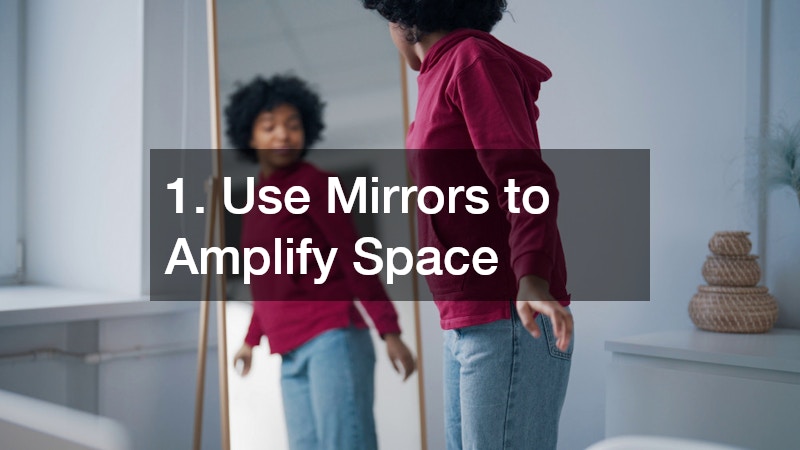
Mirrors are one of the most effective tools for making small spaces feel larger. They create the illusion of depth, reflecting light and visually doubling the size of a room. Large wall mirrors, mirrored closet doors, or decorative panels are excellent ways to achieve this effect.
Placing mirrors strategically—opposite windows or near natural light sources—brightens rooms and draws the eye outward. This not only opens up the space but also adds elegance and modern style to interiors. Engaging with a local kitchen showroom or design consultant can help you select high-quality mirrors that complement your decor.
In addition to aesthetics, mirrors can be integrated with storage solutions or decorative accents, combining function with style. Used thoughtfully, they can transform even the smallest rooms into airy, sophisticated spaces.
2. Maximize Kitchen Storage with Vertical Solutions
In small kitchens, every inch counts. Utilizing vertical space allows you to keep countertops free while creating ample storage. Tall shelving units, cabinets that extend to the ceiling, and hanging pot racks are practical and stylish ways to maximize space.
Open shelving can display dishes or decorative items, serving as both storage and a design feature. Adjustable shelves, pull-out drawers, and smart cabinetry solutions improve organization and make your kitchen more functional. Local kitchen showrooms can provide inspiration for innovative vertical storage options.
For outdoor kitchen extensions or prep areas, deck renovations can complement indoor organization, freeing up space and improving flow in compact homes.
3. Embrace Open Floor Plans for Greater Flow

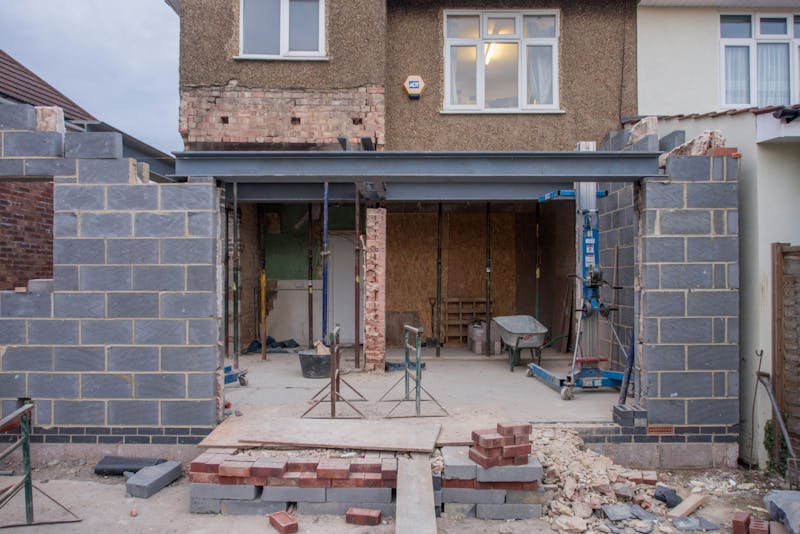
Removing unnecessary walls in favor of an open floor plan creates a sense of continuity and airiness. Combining the living, dining, and kitchen areas allows natural light to flow freely, making small spaces feel larger and more inviting.
Professional interior demolition services ensure structural integrity while implementing open layouts. Consistent flooring and complementary color schemes help visually unify connected spaces, making the home feel expansive. Extending this concept outdoors with deck or patio connections can further enhance flow and provide multifunctional entertaining areas.
Open floor plans also encourage interaction and make small homes feel less compartmentalized, giving you flexibility in how you use each area.
4. Expand Small Bedrooms with Lofted Designs
Lofted beds are an ingenious way to maximize vertical space, especially in small bedrooms, apartments, or shared living areas. By elevating the sleeping area, you free up valuable floor space below for a functional workspace, a cozy lounge area, or additional storage solutions. This design approach allows compact rooms to serve multiple purposes without feeling cramped.
Beneath the loft, you can incorporate built-in drawers, custom closets, or even small seating nooks, optimizing every inch for both storage and comfort. Collaborating with contractors experienced in interior demolition and remodeling ensures that lofted structures are installed safely and efficiently, meeting all structural and design requirements.
Lofted designs also bring a visually striking element to the room. They add dimension and style, making the space feel modern and thoughtfully planned. For rooms with higher ceilings, incorporating skylights or elevated windows can amplify the effect, enhancing natural light and creating the impression of an expansive, airy bedroom. Whether for kids, students, or adults, a lofted bed transforms small bedrooms into multifunctional, stylish retreats.
5. Consider the Right Materials for Each Space
The materials you select play a crucial role in shaping how spacious a room feels. Light-colored walls, ceilings, and flooring reflect more natural and artificial light, instantly making a room appear larger and more open. Similarly, furniture made from transparent or lightweight materials—like glass tables, acrylic chairs, or open shelving—maintains visual flow and prevents spaces from feeling cluttered.
Natural materials, such as light-toned wood, stone, or bamboo, can add warmth and texture while preserving a sense of openness. Combining these elements thoughtfully with interior décor ensures cohesion and enhances spatial perception. Beyond interiors, coordinating materials with exterior features—like patios, fences, or decking—creates a seamless transition between indoor and outdoor spaces, contributing to the overall sense of expansiveness.
Partnering with a fence and gate company ensures that outdoor areas like patios, decks, and pool zones are both safe and stylish, complementing your home’s overall design. Working with an expert fence and gate company can help you select materials that balance aesthetics and function. From reflective surfaces to light-toned woods and stone, every choice can influence how airy, inviting, and comfortable your home feels. Well-planned materials support both form and function, making small spaces feel larger while retaining style and personality.
6. Optimize Bathroom Space with Compact Fixtures
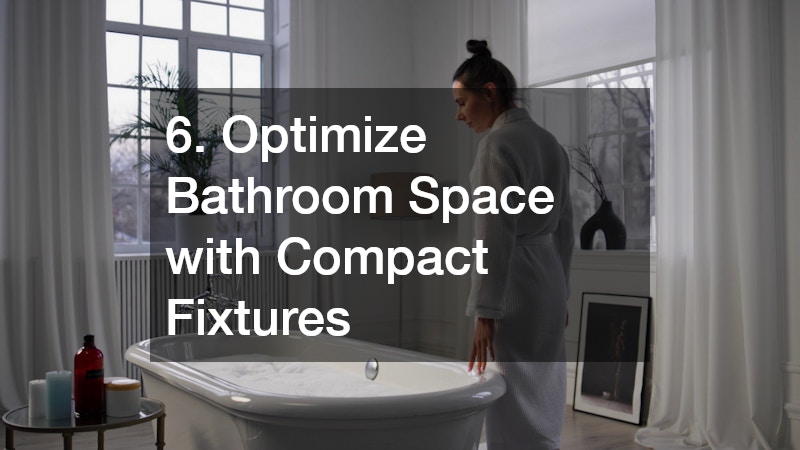
Bathrooms are frequently among the most constrained spaces in a home, making strategic design essential. Choosing compact, multifunctional fixtures—like wall-mounted toilets, floating vanities, or corner showers—can dramatically free up floor space and improve overall usability. Even small adjustments, such as replacing a bulky sink with a streamlined model, create a noticeable impact on room perception.
Incorporating built-in storage solutions, such as recessed shelving, mirrored cabinets, or under-sink drawers, keeps essentials accessible without adding visual clutter. Bath remodel specialists can advise on models that maximize functionality while complementing your style, whether modern, minimalist, or traditional. Vertical design elements, consistent tile patterns, or continuous flooring from floor to shower walls elongate the space visually, making even tight bathrooms feel larger than they are.
Energy-efficient upgrades, such as low-profile exhaust fans, heated flooring, or LED lighting, further enhance usability without compromising space. By combining smart fixture choices with thoughtful storage and design, small bathrooms can become both functional and luxurious, demonstrating that even the tiniest rooms can feel expansive and inviting.
7. Install Sliding Doors for Space Efficiency
Sliding doors are a clever solution for reclaiming valuable floor space lost to traditional swinging doors. Pocket doors, which slide neatly into the wall, are especially effective in narrow hallways, compact rooms, or closets where a conventional door would limit movement. By eliminating the swing radius, sliding doors free up room for furniture placement, decor, or open pathways, maximizing every inch of your home.
Glass sliding doors take this concept further by visually extending interior spaces into outdoor areas, such as patios, gardens, or decks. The transparency allows natural light to flow freely, brightening rooms while creating a seamless indoor-outdoor connection. This approach not only enhances aesthetics but also improves functionality, as sliding doors can serve as both room dividers and access points to outdoor living spaces. Roofers may also need to assess roof overhangs or exterior connections to ensure proper installation and weatherproofing.
Customization is another advantage of sliding doors. Materials like frosted or clear glass, wood, or metal frames allow you to balance privacy, light control, and style to suit your home’s design. Finishes can match existing cabinetry, flooring, or exterior features, ensuring a cohesive look throughout your space.
Safe and effective installation is critical, particularly in load-bearing walls or complex layouts. Consulting interior demolition and remodeling experts ensures that structural integrity is maintained, tracks are properly aligned, and doors operate smoothly for years to come. With thoughtful planning, sliding doors combine practicality and elegance, transforming small or constrained spaces into open, flexible, and visually appealing environments.
8. Create High Ceiling Illusions with Design Tricks

In small spaces, the perception of height can dramatically affect how open and airy a room feels. Simple design techniques can make ceilings appear taller than they really are, instantly expanding the sense of space. Painting ceilings a lighter shade than the walls or using subtle vertical stripes draws the eye upward, creating the illusion of height. Floor-to-ceiling curtains and vertical wall décor can further reinforce this effect, directing attention toward the ceiling rather than the confined floor area.
Tall bookshelves, vertical lighting fixtures, and strategically placed mirrors also enhance this vertical perception. Adding skylights or clerestory windows allows natural light to enter from above, emphasizing ceiling height while brightening the space. Consulting roofers and lighting experts can help ensure structural feasibility and proper installation, especially when integrating skylights or overhead lighting solutions. Integrating new lighting fixtures or skylights may also necessitate partial home rewiring to safely handle updated circuits, dimmers, or energy-efficient lighting systems. Proper planning ensures that electrical upgrades complement design while meeting safety standards.
Distinct ceiling patterns, such as exposed beams, coffered designs, or subtle textures, add character while reinforcing the room’s verticality. Even in compact homes, these techniques create the sense of grandeur without structural alterations, making rooms feel both larger and more elegant. Thoughtful lighting and vertical design elements can turn cramped spaces into visually expansive, welcoming areas.
9. Design Multifunctional Shared Spaces
Multifunctional design is essential in small homes where every square foot counts. Rooms that serve multiple purposes allow homeowners to maximize usable space without feeling cluttered. For example, a guest bedroom can double as a home office with a fold-out desk, while a living room might include a dining nook or play area for children. Modular furniture, like sofa beds, extendable tables, and convertible seating, makes it easy to adapt a room to changing needs throughout the day.
Custom storage solutions are equally important. Hidden compartments, built-in shelving, and multifunctional furniture help keep belongings organized and out of sight, preserving the open, airy feel of each space. Incorporating vertical storage options also frees floor space, further improving functionality without compromising comfort. Including poolside areas as extensions of living or entertainment zones creates multifunctional outdoor spaces. Decks or patios adjacent to pools can serve as dining, lounging, or social hubs, maximizing both space and lifestyle value.
Integrating indoor and outdoor living spaces adds another layer of versatility. Decks, patios, or sunrooms connected to living areas can serve as extensions of interior rooms, ideal for entertaining or providing extra functional areas. Collaboration with professionals like interior designers, deck specialists, and remodel contractors ensures seamless transitions between indoor and outdoor spaces, making small homes feel larger, more flexible, and highly livable.
10. Choose the Right Flooring to Open Up Areas
Flooring plays a crucial role in how spacious a room feels. Continuity in floor materials across connected rooms can eliminate visual breaks, making spaces appear larger and more cohesive. Light-colored woods, tiles, or laminates reflect natural and artificial light, brightening interiors and creating a sense of openness. Strategic patterns, such as diagonal planks, herringbone, or chevron designs, guide the eye across the room, extending the perceived dimensions.
In addition to style, flooring choices can reinforce flow between indoors and outdoor areas. Smooth transitions to decks, patios, or sunrooms visually extend living spaces, creating a harmonious connection between interior and exterior environments. Carpet tiles, natural wood, or modern laminates can be selected based on durability and aesthetics, ensuring practical function without sacrificing the perception of spaciousness.
Partnering with flooring and interior design specialists ensures both the visual and functional aspects of flooring are optimized. Proper selection, installation, and finish contribute to a seamless, expansive feeling throughout your home, making every area feel connected and thoughtfully designed.
11. Utilize Natural Light and Windows Effectively
Natural light is one of the simplest and most powerful tools to make small spaces feel open. Well-placed windows, glass doors, and skylights flood rooms with daylight, instantly enhancing brightness and visual depth. Using sheer curtains or blinds instead of heavy drapes allows unobstructed light to enter, while maximizing outdoor views further extends the perception of space.
Large windows or sliding glass doors create a visual connection with outdoor areas, making interiors feel like an extension of nature. Reflective surfaces, including mirrors and glass décor, amplify natural light, distributing it throughout rooms and adding a sense of airiness. Sunrooms or strategically placed outdoor decks and patios reinforce this effect, creating a seamless indoor-outdoor experience.
Windows and glass doors that overlook your pool not only increase natural light but also visually extend interior space, making rooms feel larger and more connected to the outdoors. Pools and their surrounding landscaping can become integral design features that enhance the perception of openness.
Small spaces don’t need to feel limiting. By applying thoughtful remodel ideas—from mirrors and lofted designs to multifunctional layouts and clever lighting—you can make your home feel open, inviting, and functional. Partnering with experienced remodeling professionals ensures that your upgrades are both safe and impactful. Whether it’s a kitchen, bath, living area, or outdoor connection, these strategies transform compact homes into elegant, spacious havens that meet your lifestyle needs and aesthetic goals.