
Most people buy a home with a sense of pride, envisioning weekend barbecues, cozy winters, and a quiet sanctuary from the outside world. Yet, within a year or two, the reality of homeownership usually reveals its less romantic side: a leaking pipe behind the washing machine on a Sunday night, a mysterious rattle coming from the outdoor air condenser, or a sudden draft sweeping through the hallway during the first severe freeze. For many homeowners, property upkeep becomes a series of frantic reactions. You wait until something breaks, scramble to find a available contractor, pay premium emergency rates, and quietly stress over how much life the remaining equipment has left.
This reactive cycle is not only financially exhausting, but it is also inherently unsustainable. A sustainable maintenance plan changes the narrative entirely. It moves your mindset from emergency damage control to predictable, manageable, and eco-friendly stewardship. Sustainability in home maintenance operates on two distinct levels. First, it protects your personal financial health by smoothing out unpredictable repair spikes into small, regular investments. Second, it reduces environmental impact by extending the operational lifespan of major household components, maximizing energy efficiency, and preventing unnecessary building material waste from filling local landfills.
Building a sustainable home maintenance plan does not require a background in construction or dozens of hours of free time every weekend. Instead, it relies on systematic observation, proactive seasonal schedules, and a clear understanding of how your home’s various mechanical and structural systems interact. By shifting your approach from fixing breakdowns to preserving system integrity, you protect your property equity while ensuring your living space remains safe, comfortable, and efficient for decades to come.
Phase 1: Conducting a Top-to-Bottom Home Health Audit

Every effective plan begins with a baseline assessment. Before you can establish a routine maintenance calendar, you must understand the current physical condition of your property’s outermost defenses. Your home’s exterior shell takes the brunt of nature’s forces every single day, enduring ultraviolet radiation, high winds, heavy rain, and freeze-thaw cycles. Ignoring minor wear on the outside almost guarantees significant interior damage down the road.
A thorough exterior evaluation should start at the highest point of your structure. Twice a year—typically in early spring after the harsh winter weather subsides and in late autumn before the snow arrives—take time to visually inspect your roof line. You do not necessarily need to climb onto the roof itself; a pair of high-powered binoculars from ground level can reveal a wealth of information. Look for shingle curling, missing protective granules in the gutters, cracked flashing around chimneys, or sagging sections along the ridgeline. Catching early wear on your shingles prevents underlying plywood decking from rotting away unnoticed. When roof repair becomes necessary, catching the problem early keeps the work localized rather than requiring a full structural tear-off.
After assessing the roof, turn your attention downward to the exterior walls and cladding. The siding acts as the primary moisture barrier for your home’s framing. Walk the entire perimeter of your foundation, checking for loose panels, cracked vinyl, rotting wood boards, or failing caulk joints around windows and door trim. Small gaps in your exterior envelope allow wind-driven rain to penetrate the wall cavity, creating an ideal environment for hidden mold growth and structural decay. If large portions of your exterior show severe warping or moisture retention, consulting professional siding installers can help you evaluate whether targeted repairs or high-performance upgrades are needed to restore the protective seal.
Finally, complete your exterior audit by examining the primary drainage pathways. Ensure that gutters are free of leaves, twigs, and sediment, and verify that downspouts extend at least four to six feet away from your foundation wall. Water that pools directly against your home’s concrete footings can freeze and expand, leading to foundation cracks, interior basement dampness, and severe structural settling over time.
Phase 2: Protecting Your Interior Against Costly System Failures
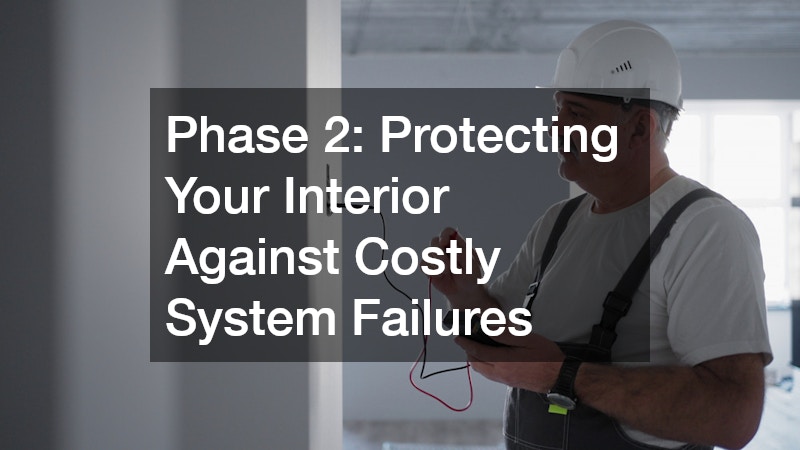
Once you have verified that the exterior shell is sound, the focus shifts inward toward the core utilities that keep your home functional, safe, and dry. Interior maintenance requires a slightly different approach: while exterior checks are largely visual, interior maintenance focuses on fluid dynamics, electrical safety, and moisture control.
Diagnostic Walkthrough for Interior Systems
- Locate your primary main shutoff valves for water and gas, ensuring they turn smoothly and are clearly labeled for fast access in an emergency.
- Open the main electrical service panel to check for signs of heat, scorching, rust, or unmapped breakers.
- Test every ground fault circuit interrupter outlet in moisture-prone areas like kitchens, bathrooms, and basements using the built-in test button.
- Inspect under every sink cabinet with a flash light, feeling along supply line connections and P-traps for slight dampness or white mineral buildup.
- Place freestanding moisture sensors near high-risk equipment, including the water heater, sump pump, and washing machine.
Systematic interior checks reduce catastrophic hazards before they manifest as costly middle-of-the-night disasters. Electrical components, for example, rarely fail without warning. Arcing wires, overloaded circuits, and loose terminals generate excess heat long before they trip a breaker or ignite surrounding insulation. Committing to routine electrical maintenance ensures that your panel, outlets, and heavy appliance connections remain tight and properly grounded, significantly mitigating fire risks and protecting sensitive electronics from power spikes.
Water control requires equal vigilance. Water is relentless, and even a slow, pinhole leak in a braided flex line can release hundreds of gallons over a single weekend getaway. Unchecked indoor moisture rots subflooring, ruins drywall, breeds toxic black mold, and compromises indoor air quality. When plumbing failures or severe weather events cause unexpected flooding, executing immediate water damage repairs is crucial to salvage structural framing and prevent long-term health risks. Integrating visual plumbing inspections into your monthly routine—alongside installing inexpensive smart leak detectors—creates an early warning network that protects both your physical house and your financial savings.
Phase 3: Optimizing Indoor Comfort and Climate Efficiency

Heating and cooling account for more than half of the energy consumed in an average single-family home. Because climate control systems run behind the scenes inside mechanical closets or basements, they are frequently overlooked until the heat stops working on a freezing winter night or the air conditioning fails in the middle of a July heatwave. Maintaining climate efficiency is essential for long-term sustainability, directly impacting both your monthly utility expenses and your home’s total carbon footprint.
Consider the operational burden placed on climate equipment. A typical residential system runs for thousands of hours every year, pulling massive volumes of air through ductwork, blowers, and heat exchangers. When dust, pet dander, and pollen accumulate on internal components, airflow becomes restricted. Reduced airflow forces compressor motors and blower fan units to work significantly harder and run longer cycles just to reach the set temperature on your thermostat. This extra strain accelerates mechanical wear, increases electrical consumption, and causes premature component failure.
To keep these critical systems operating at peak performance, establish a disciplined filter and coil cleaning schedule:
- Change disposable HVAC filters every 30 to 90 days, selecting a MERV rating recommended by your equipment manufacturer to balance filtration efficiency with proper airflow.
- Clear a three-foot clearance zone around outdoor condenser units by trimming back shrubs, tall grass, weeds, and overhanging tree branches.
- Gently rinse the outdoor condenser coils with a garden hose every spring to remove accumulated dirt, lawn clippings, and airborne cottonwood seeds.
- Vacuum indoor return registers and supply vents to prevent dust buildup from being pulled back into the duct network.
- Inspect the condensate drain line for blockages, flushing it periodically with clear vinegar to prevent algae buildup and water backup.
Staying proactive with simple upkeep tasks ensures your residential HVAC equipment delivers consistent indoor air quality while operating at maximum thermal efficiency. However, even well-maintained climate units eventually experience component fatigue over time. Recognizing subtle warning signs—such as unusual grinding noises, uneven room temperatures, short-cycling, or sudden spikes on your monthly electric bill—allows you to address minor mechanical issues early. Booking professional HVAC service at the first sign of struggling performance prevents minor refrigerant leaks or failing capacitors from causing permanent, catastrophic damage to the core compressor.
Phase 4: Keeping Daily Heavy Machinery and Moving Parts Working
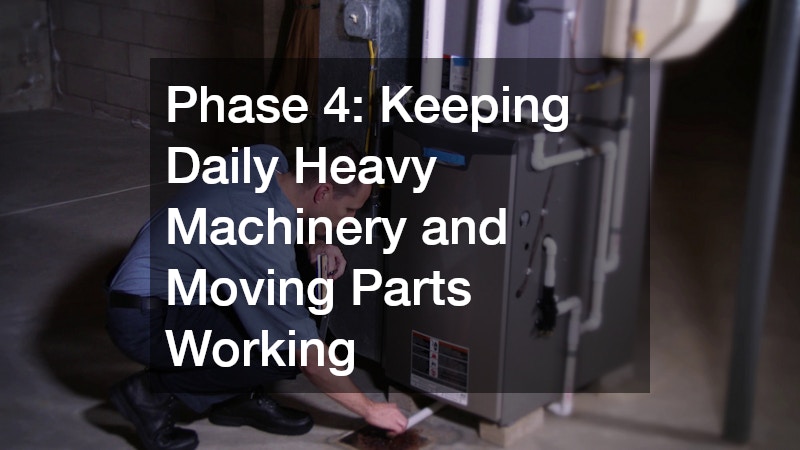
Think about the sheer volume of mechanical tasks carried out inside your home every single day. Refrigerators run 24 hours a day to preserve food, dishwashers heat water to extreme temperatures while pumping out food waste, clothes dryers cycle heavy wet fabrics through high heat, and heavy overhead doors raise and lower multiple times a day. These daily workhorses are the mechanical heart of modern residential life, yet they are often pushed to total failure before receiving any attention.
To extend the operating life of major household appliances, you must move beyond superficial cleaning and address their internal working components. Refrigerator condenser coils, typically located beneath or behind the unit, accumulate thick layers of dust and pet hair over time. This buildup insulates the coils, preventing heat from dissipating efficiently and forcing the compressor to run almost continuously. Cleaning these coils twice a year with a specialized coil brush and vacuum attachment takes less than fifteen minutes, but it can double the working lifespan of the appliance while trimming your electric bill. Similarly, flushing sediment from your storage water heater annually prevents calcification along the tank floor, preserving heating element efficiency and reducing the risk of bottom-tank corrosion.
When major machines do start showing signs of wear, replacing the entire unit is rarely the most sustainable or cost-effective choice. A surprising number of common breakdowns—such as a dishwasher that won’t drain, a dryer that won’t heat, or a washing machine that vibrates excessively—are caused by small, inexpensive components like worn drive belts, clogged drain pumps, or blown thermal fuses. Learning basic troubleshooting steps or calling for specialized appliance repair gives high-cost equipment a second life, keeping functional machinery out of landfills while saving thousands of dollars in premature replacement expenses.
The same philosophy of care applies to the physical moving structures around your home, particularly heavy access points. The main vehicle entry overhead door, for instance, is often the largest, heaviest moving object in your entire house. It relies on a delicate balance of high-tension springs, steel cables, tracking rollers, and an electric motor to operate safely.
Regular care for these entryways requires a clear maintenance routine. Periodically check vertical and horizontal tracks for bends, rust, or misalignment that could bind moving rollers. Inspect and tighten all track brackets, hinge bolts, and overhead motor mounting hardware. Apply a dedicated silicone or lithium spray to springs, roller bearings, and hinges while avoiding heavy grease. Disconnect the opener trolley and manually lift the door to waist height to ensure it stays balanced without drifting down. Finally, test the auto-reverse safety feature by placing a piece of wood on the floor under the door path to confirm the door reverses direction immediately upon contact.
Neglecting basic physical maintenance on heavy garage doors can lead to severe mechanical jams, snapped tension cables, or motor burnout. Performing routine balance checks, keeping tracks free of debris, and applying specialized lubricant to metal moving components every six months ensures smooth, quiet, and reliable daily operation.
Phase 5: Building a Reliable Professional Contact Network
No matter how handy or dedicated a homeowner might be, a truly sustainable maintenance plan acknowledges the limits of DIY work. Attempting complex structural, high-voltage electrical, or heavy mechanical repairs without proper licensing, tools, and training often leads to safety hazards, voided warranties, and costly mistakes. A critical component of long-term property stewardship is building a network of trusted trade professionals before an actual emergency occurs.
When an emergency strikes—such as a major pipe burst during a deep freeze or a fallen tree limb puncturing your roof line—scrambling to find an available service provider off the internet puts you in a vulnerable position. During regional storm events or extreme heatwaves, trade contractors receive hundreds of calls an hour. Unvetted homeowners who call during a crisis often face long wait times, inflated emergency call-out fees, or sub-standard workmanship from inexperienced operators taking advantage of high demand.
Establishing relationships during non-peak season puts you in control. Take time during quiet periods of the year to research, interview, and vet local trade specialists. For major structural and exterior envelope needs, identifying experienced roofers who carry full general liability insurance and worker’s compensation coverage ensures your property is protected when major elevated work becomes necessary. Verify their local track record, review past project portfolios, and ask for proof of manufacturer certifications, which often allow contractors to offer extended warranty protection on materials.
The same proactive vetting applies to mechanical entry points and automated access systems. Establishing a working relationship with a reputable local garage door company means you have a trusted contact ready to assist when high-tension spring replacements or motor track recalibrations are required. When evaluating any specialized trade contractor, confirm the following core standards before adding them to your home’s preferred vendor list:
- Active state or municipal trade licenses verified through official licensing board databases.
- Certificate of insurance listing current general liability and full worker’s compensation coverage.
- Clear, written estimates detailing labor rates, material markup costs, and scope-of-work protocols.
- Explicit warranty terms covering both installed manufacturer parts and contractor labor.
- Established physical business location and documented positive customer reviews within your local community.
Maintaining a well-organized file—digital or physical—containing your vetted contractor list, equipment model numbers, service histories, and original installation dates transforms home maintenance from a chaotic guessing game into an organized, professional routine.
Transforming Property Care Into a Daily Habit
Creating a sustainable home maintenance plan is ultimately an investment in peace of mind. By shifting your perspective away from frantic, reactive repairs and embracing an organized, preventative system, you take complete control of your living environment. You eliminate the emotional anxiety of sudden breakdown surprises, protect your household budget from unexpected emergency expenses, and actively reduce your home’s environmental footprint by preserving existing building materials and maximizing operational energy efficiency.
A successful plan does not demand that you master every trade or spend every weekend working through a daunting checklist. Start small by breaking down your property’s needs into manageable, seasonal habits. Conduct your bi-annual exterior walk-throughs, stay diligent with simple indoor checks, change your air filters regularly, and build out a pre-vetted contact list of local trade professionals. Over time, these small, consistent actions compound into significant financial savings and lasting equity protection, ensuring that your home remains a safe, comfortable, and valuable asset for many years to come.